


Discover our range of packaging designed with the idea of a closed loop economy in mind. Our regrind, PCR (Post-Consumer Recycled) and PIR (Post-Industry Recycled) packaging is becoming increasingly popular throughout Europe. Our range of packaging is designed for manufacturers who are committed to sustainable production and want to help reduce their negative environmental impact, while still providing a high quality product that meets all industry standards and requirements.
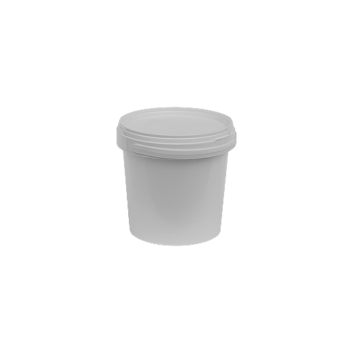
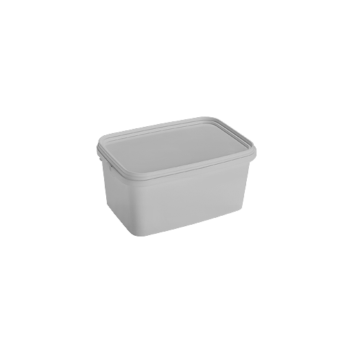
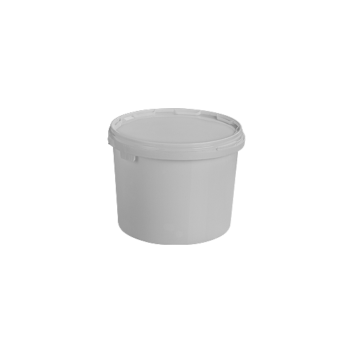
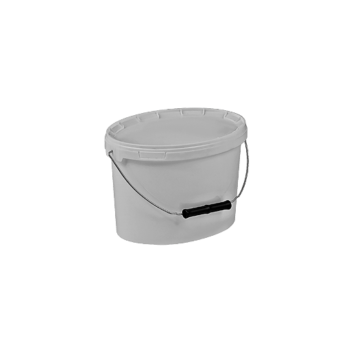
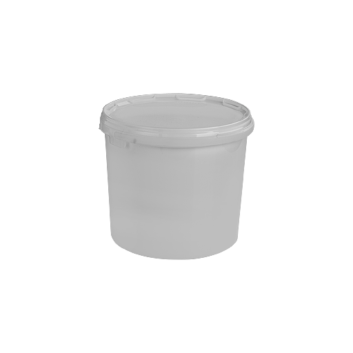
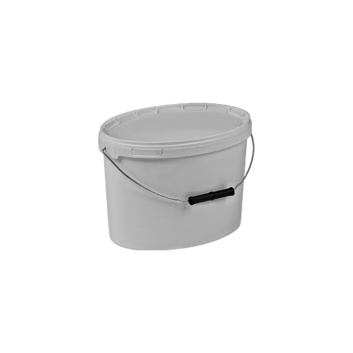
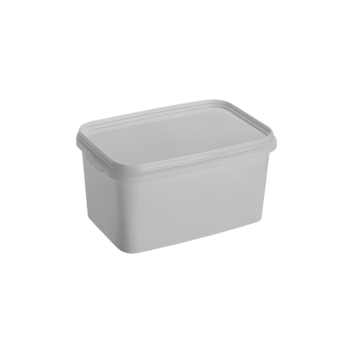
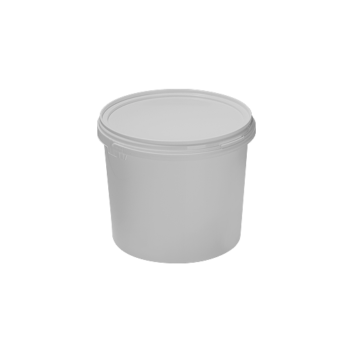
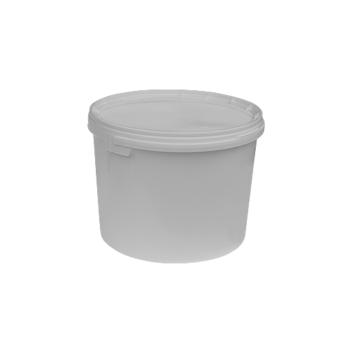
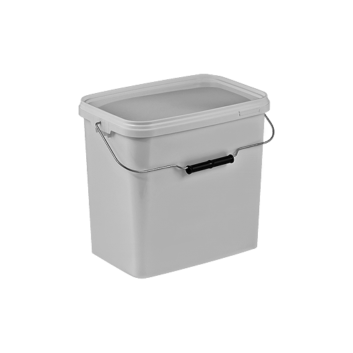
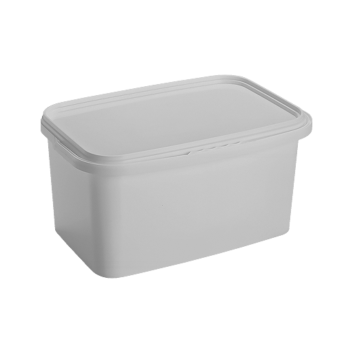
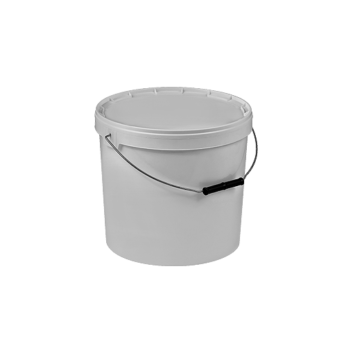
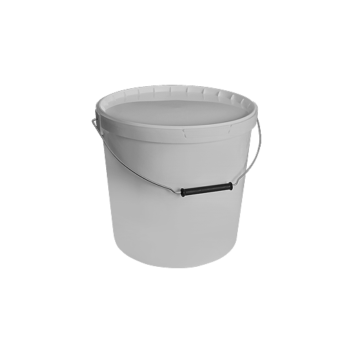
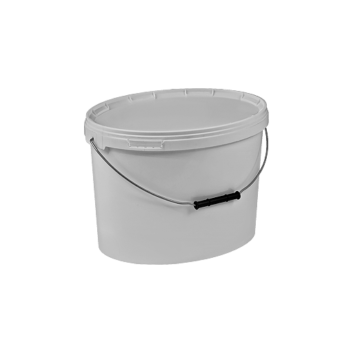
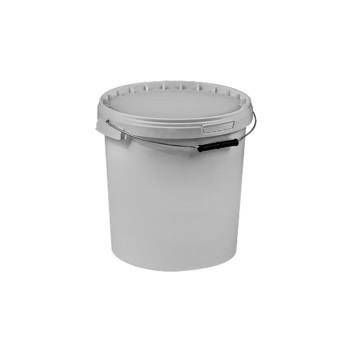
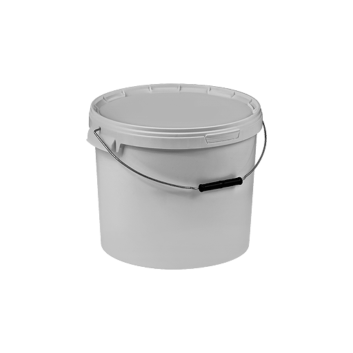
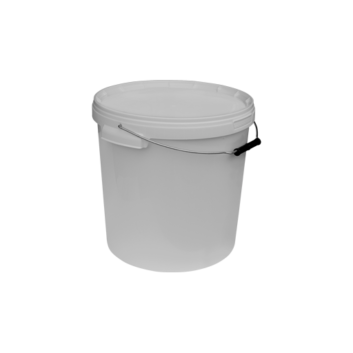
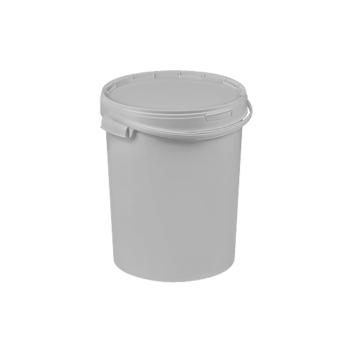
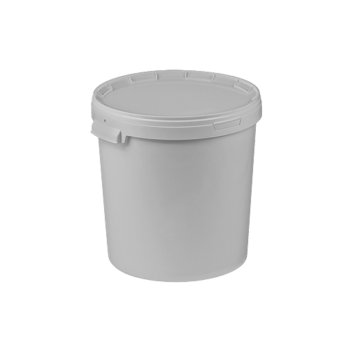
Our environmentally friendly packaging is created according to the concept of a closed loop economy, which means that as a manufacturer we use materials derived from recycled resources.
One of our solutions is eco packaging made from regranulate, which is made from recycled plastic. The regranulation process involves reprocessing plastic waste to produce high quality granules that can be used to make new packaging. This helps reduce the use of primary raw materials and the amount of plastic waste that ends up in landfills or the natural environment.
We offer eco packaging with PCR (Post-Consumer Recycled) content, which is made from plastic derived from the recycling of consumer waste, and PIR (Post-Industry Recycled) content, which is derived from the recycling of post-industrial waste. The plastic used in the production of eco packaging is carefully sorted, recycled and transformed into new packaging. This allows us to recover valuable materials and minimise the negative impact on the environment.
More and more consumers around the world are looking for eco-friendly solutions when it comes to packaging. We are aware of this demand and are constantly adapting our production to offer innovative eco packaging that is environmentally friendly.
By using our packaging made from regranulate, PCR and PIR, manufacturers can not only meet market expectations, but also engage in environmental protection efforts. By choosing our eco-friendly packaging, they are helping to close the loop on resources, reduce waste and minimise the use of primary materials. In doing so, they co-create more sustainable and environmentally friendly solutions that will have a positive impact on the future.

Regranulates are designed exclusively for the production of packaging used in the non-food sector.

At Plast-Box, the maximum recommended addition of regranulates in bucket production is up to 60%. The lid and plastic handle are only made from virgin materials, and will therefore differ significantly in appearance from the bucket made of PIR/PCR using the same colorant. Our experience suggests using a cover in a different colour to avoid colour discrepancies.

Using up to 100% can be physically carried out, but one should be aware that the risk to durability and the scale of testing is increased, as well as the responsibility and risk on the part of the client. Nevertheless, we are open to individual requests concerning a higher addition of regranulates.

The natural colouring of regranulate is grey, which is why the packaging does not come in a transparent version. It is possible to obtain a white packaging colour, but its availability is limited and its price considerably higher. It is recommended to use a light shade of grey due to its ability to cover streaks and inclusions, and to improve its consistency.

With an addition of up to 60% regranulates, the packaging has similar quality parameters to that made from original materials. Detailed parameters can be found under the Ecological packaging (eco), eco packaging – manufacturer Plast-Box S.A. tab in the specification of a given bucket.

The pricing of a project with a regranulate blend is prepared individually upon customer request. The final price is influenced by the amount of regranulate used and the type of decoration. Packaging with a blend of secondary raw material is generally priced lower than packaging made from primary raw material.

Yes, regranulate packaging offers the full possibility for IML label applications. In this way, the packaging loses none of its vibrant colours, instead gaining an eco-friendly appearance.

PIR (Post-Industrial Recycled) is a material made from production waste – we have our own regranulation line, so we have full control over the quality of our products. We issue the appropriate declaration confirming that the packaging is exempt from the product fee. PCR (Post-Consumer Recycled), however, is a material derived from recycled consumer products. Packaging using both kinds of regranulates has very similar quality properties, but the availability of PIR is limited (Plast-Box post-production waste), while the availability of PCR has no quantity restrictions.

Economic benefits: reduction in production costs, opportunity to take advantage of grants and tax incentives. Sustainability: less waste in landfill, reduced consumption of natural resources, lower carbon footprint. PR benefits: building a responsible brand image

The packaging is completely safe for non-food products, even the most demanding ones, and meets the highest quality standards.

The series of buckets for the non-food industry is recommended.

Regranulates may have a specific odour, which is why we add absorbers to the secondary raw materials to minimise the intensity of the smell.

Based on our experience, it is recommended to target a light grey colour scheme. Dark shades cause greater colour variation from batch to batch.