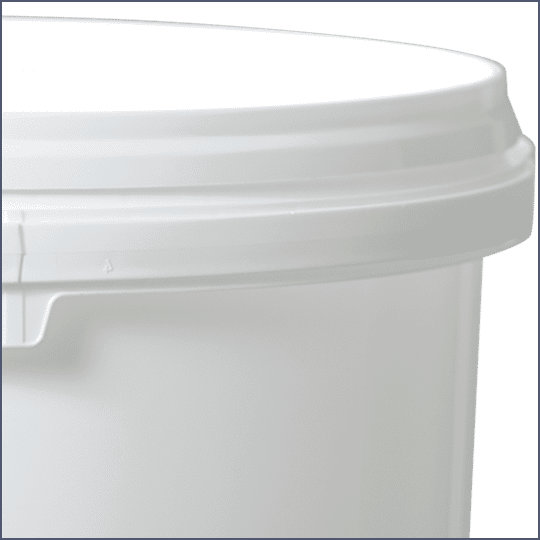
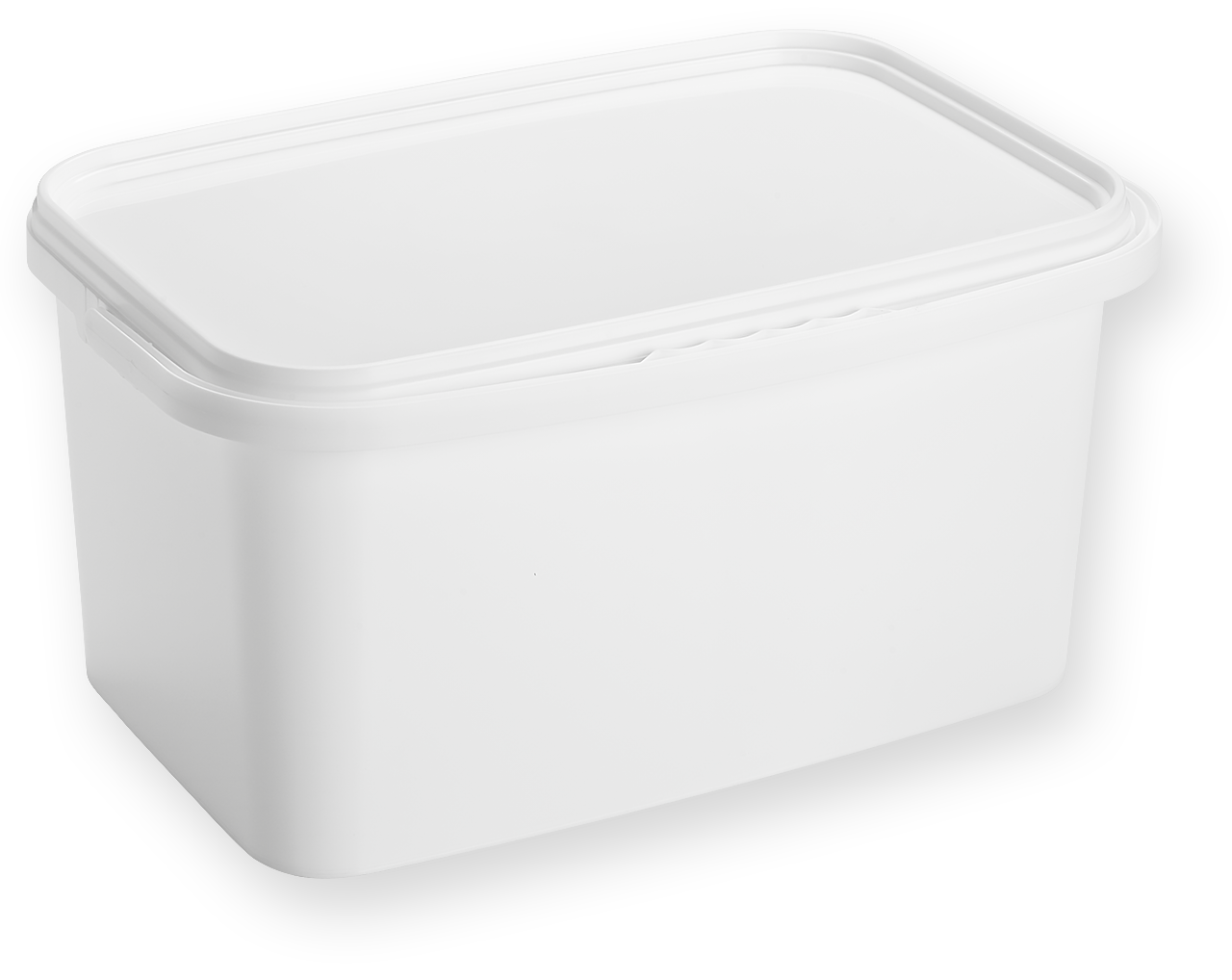
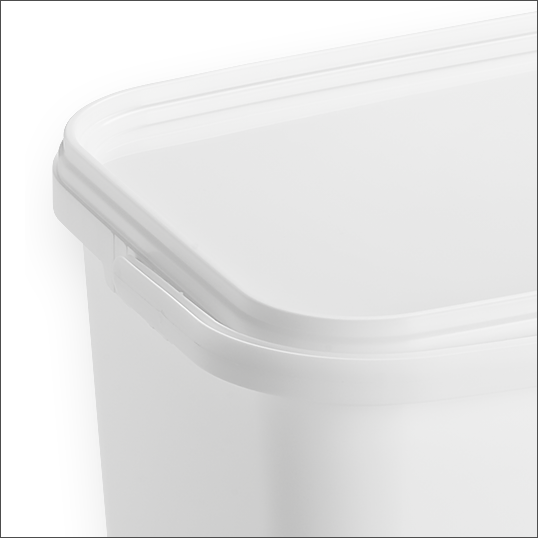
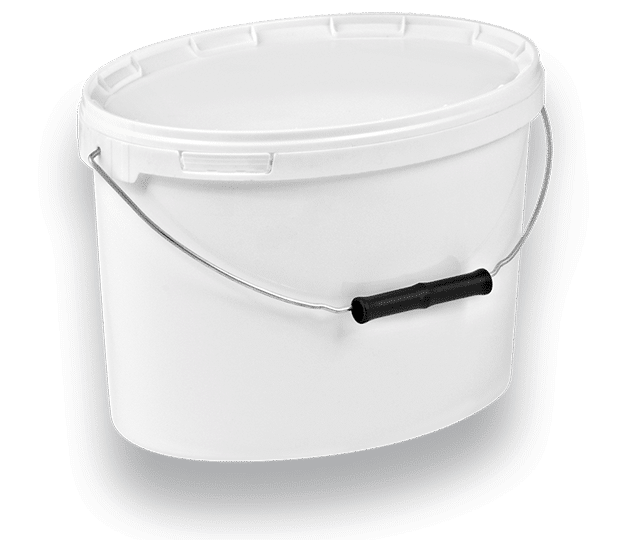
It involves the injection of plasticised material into a mould, in which it solidifies into a so-called moulding. Packaging can be made in almost any shape. Products made with this method include buckets for the food and chemical industries, as well as small packaging for dairy products and ice cream. Injection-moulding of plastic packaging is a guarantee of the finest quality, with excellent mechanical properties and an attractive design. This technology is ideal for the production of packaging for premium brands.
The IML technology allows the label to be attached to the packaging directly in the production process. This makes it possible to produce the packaging and the label from the same material, thus resulting in the finest aesthetics of the product. As all components are made of the same material, the IML packaging can also be fully recycled. With this technology, you can quickly change the range of products (design change) to flexibly respond to changing customer needs.
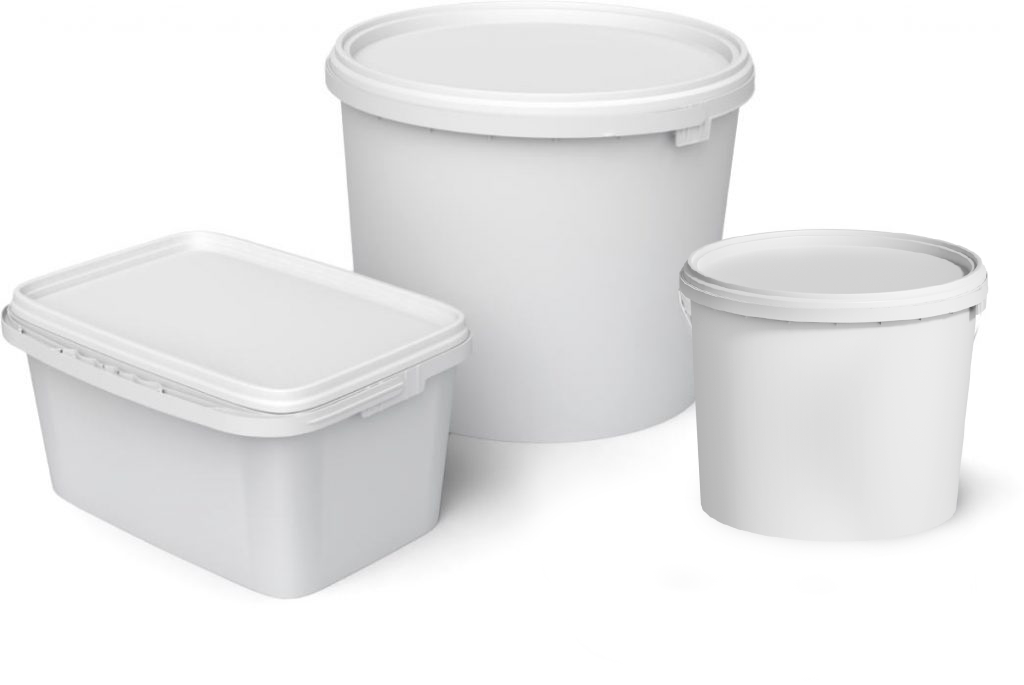
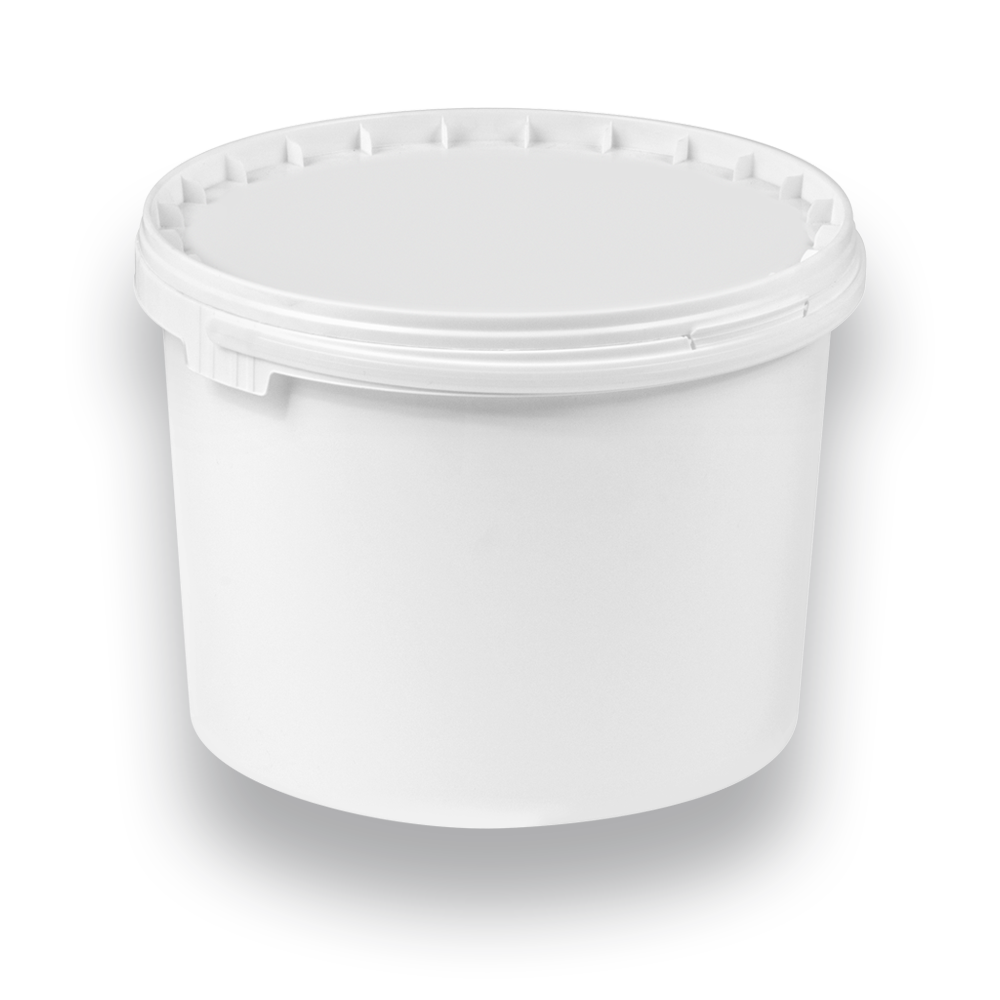
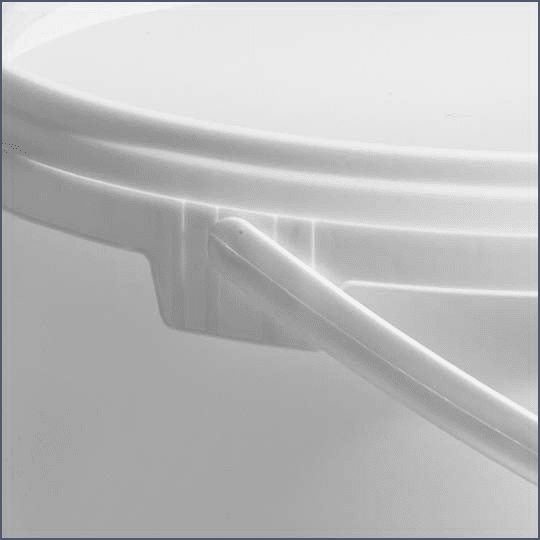
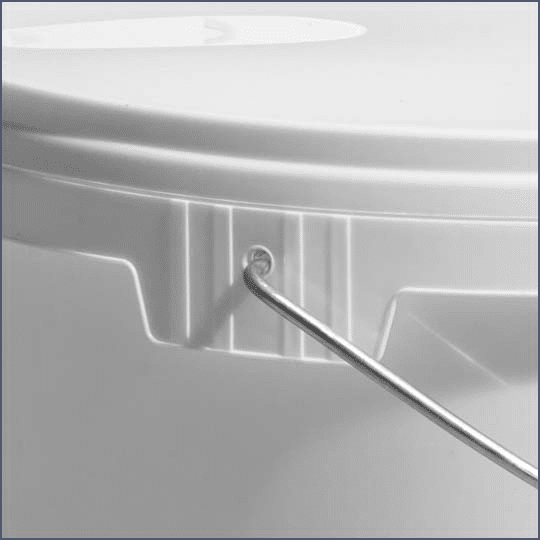
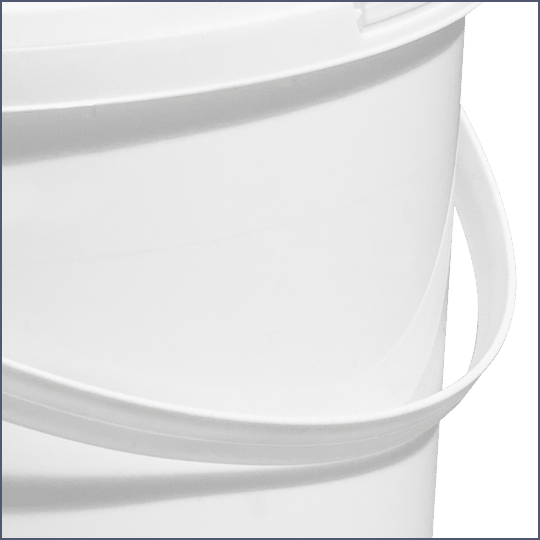
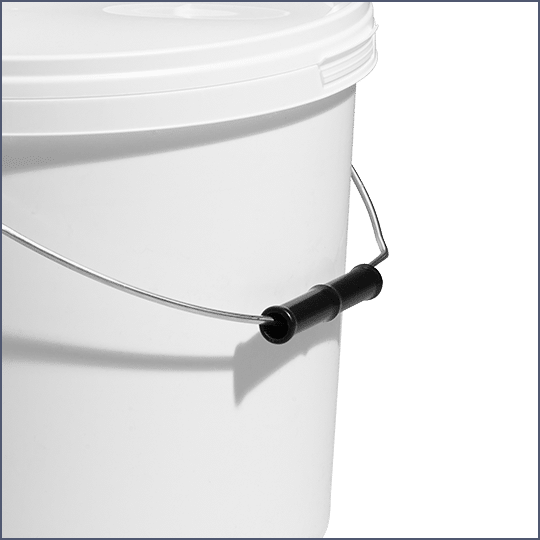
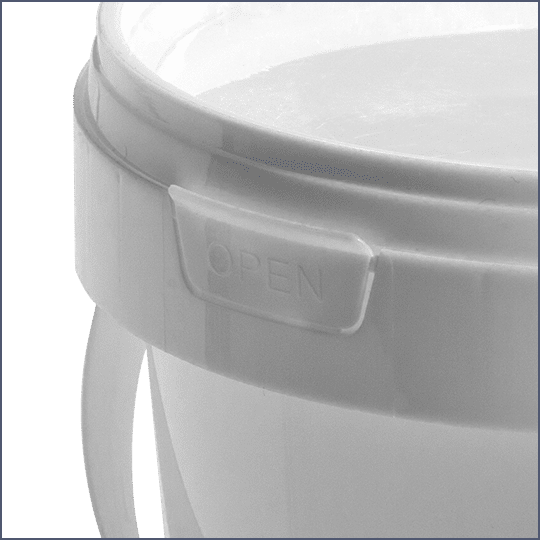
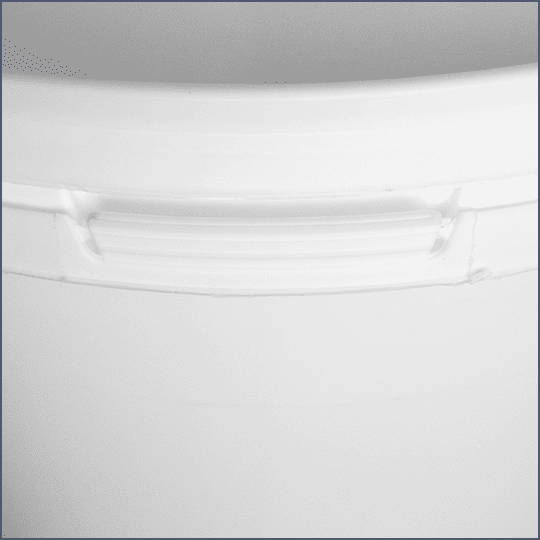
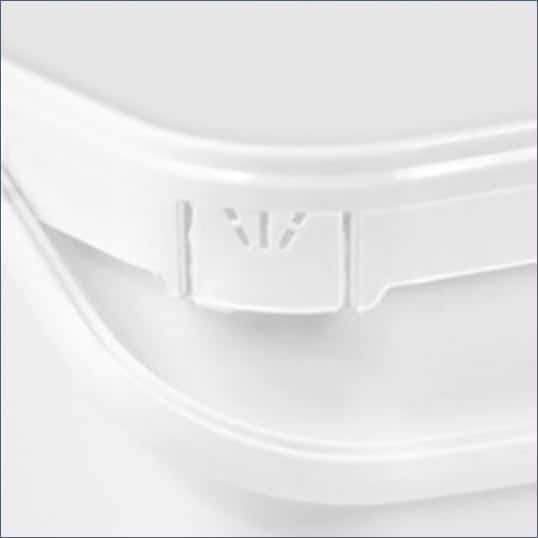
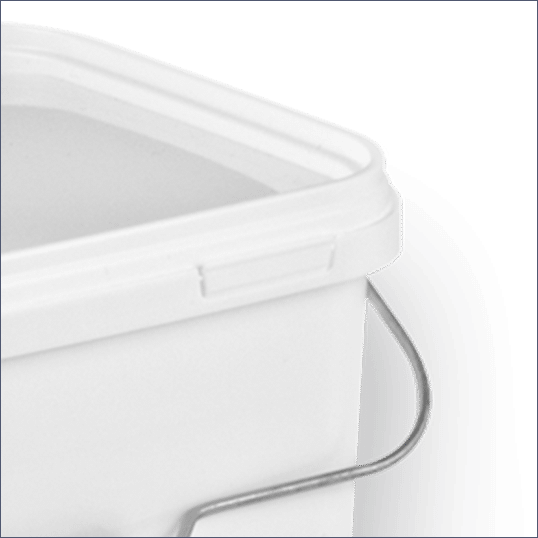
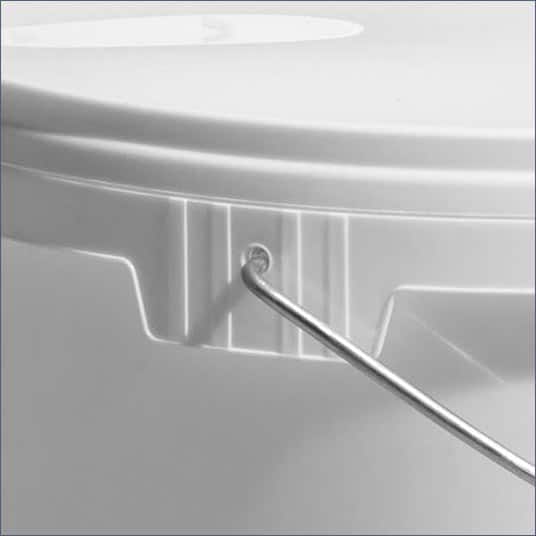
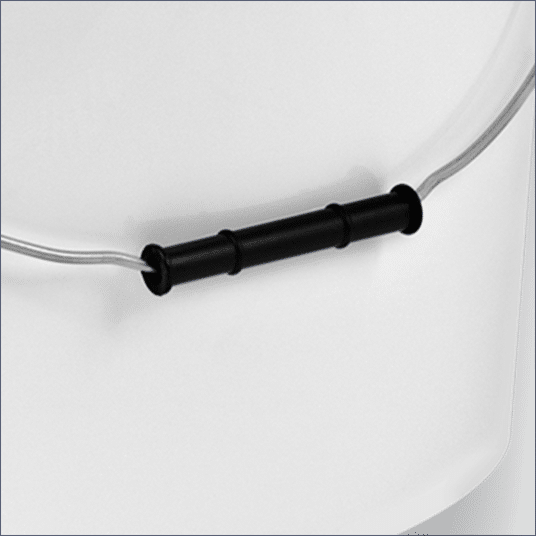
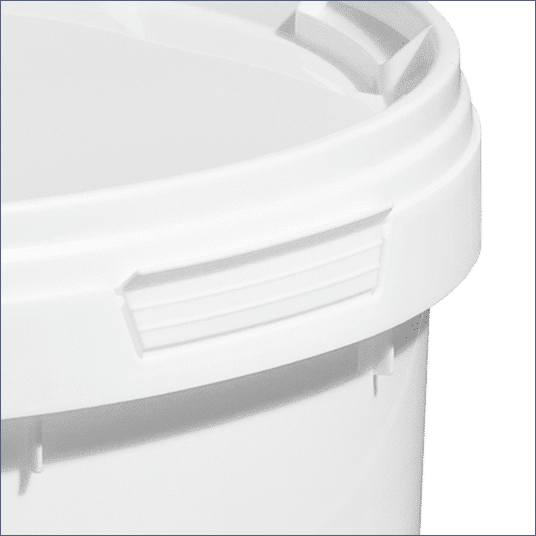
Buckets form the basis of the offered products. The variation in shapes (round, oval, rectangular) and volumes (from 0.55 to 33 l) is a result of the demand of individual markets and the expectations of customers. Buckets are fitted with tamper-evident closures to guarantee the intactness of the content after first filling. There is a choice between metal or plastic handles. Some of the containers, thanks to a specially designed sealing and bottom construction, are intended for use on shaker machines for mixing paint with dyes.
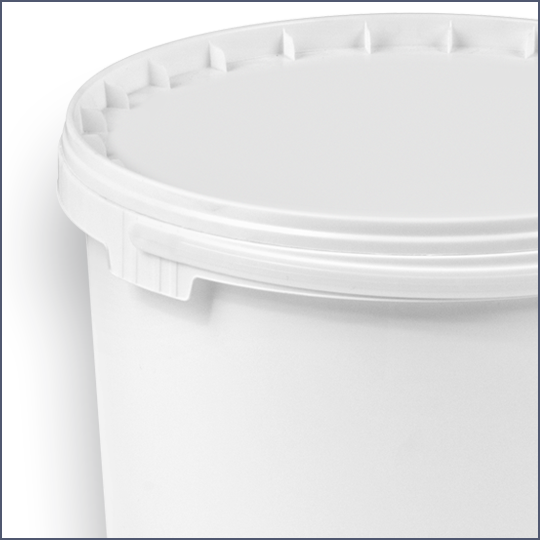
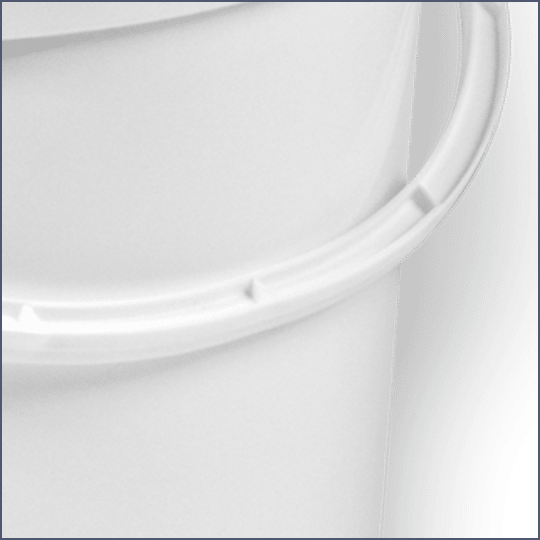
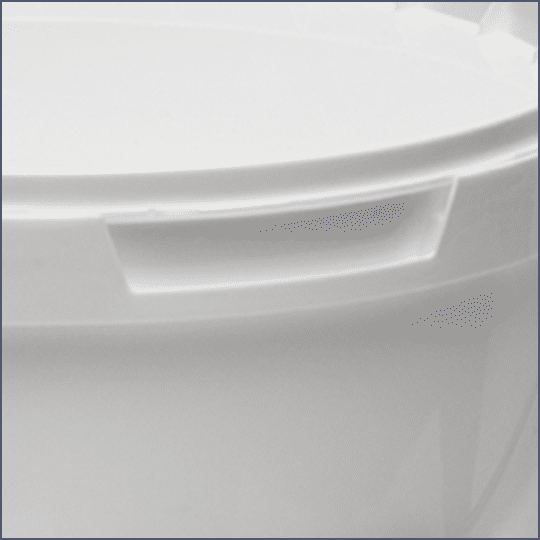
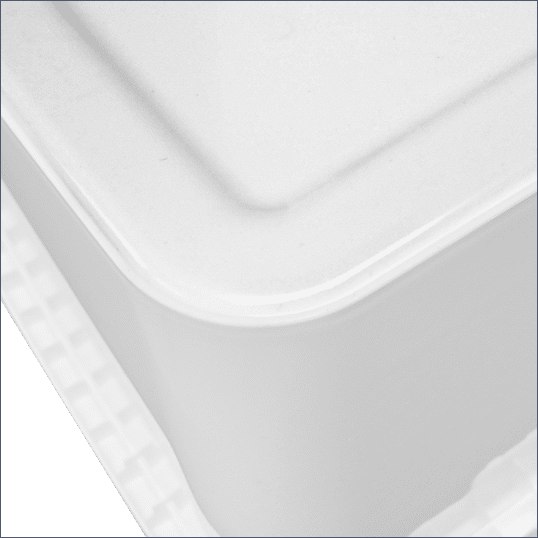
Containers with the same volume may vary in terms of particular parameters: upper and lower diameter, height, the design of a lid or side rim. Thanks to these differences it is easier to adjust the container to individual needs, e.g. to the settings of a production line.
Buckets are offered in a full range of colours. At our customer’s request, in accordance with the design or project provided to the manufacturer, buckets in most shapes and models are decorated using IML (In-Mould Labelling) applications. Optionally, we can make overprint using modern equipment with a dry offset method (overprint of up to six colours) and screen printing.